
I’m a very proud dietitian today as my wonderful research intern Kasia Wyrebek and writing intern Kathryn Durston combined to great effect to bring to life today’s article, which I’ve reviewed for scientific integrity and a few minor flow edits of course. Today’s article takes a look at some of
Month: August 2021
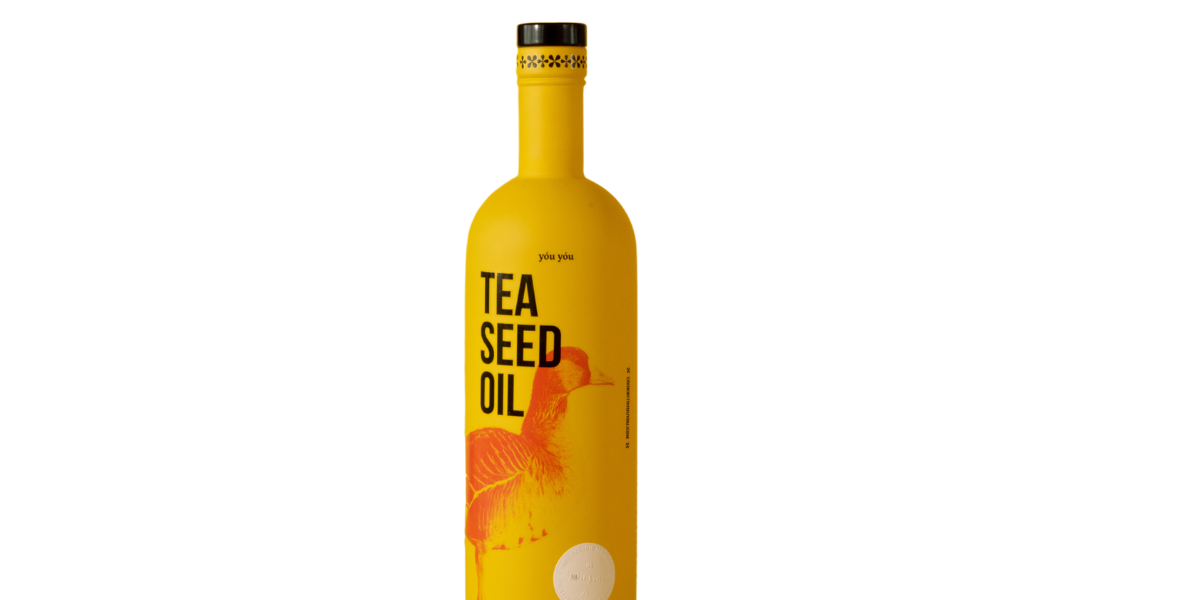
Those who know me will know by now that I absolutely love exploring the science and nuance behind novel food products so when tea seed oil producer Yóu Yóu offered me an opportunity for an evidence-based collaboration, I simply could not refuse. I can tell you that the topic of
Ashwagandha, also referred to as Withania somnifera, is a plant species that is perhaps best known for its use as herbal remedy in Ayuverdic medicine. In addition to its rich history and traditional usage, Ashwaganda supplements are obviously also generating a great deal of interest in the public and scientific
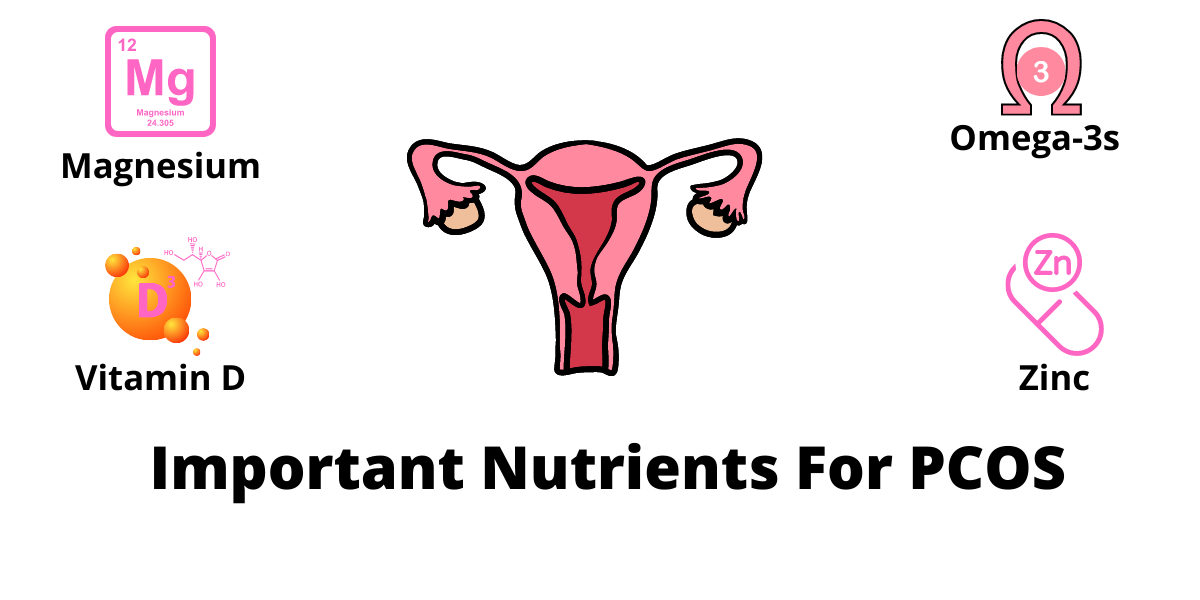
Today’s article is my fourth in a comprehensive series on Polycystic Ovary Syndrome which has previously included discussions on: Supplements For PCOS PCOS and Soy-based Foods Probiotics and PCOS Each of those articles can be accessed individually via this link. For this particular piece, I turn my attention specifically to
Today represents the first in a multi-part exploration of the connection between diet, supplementation and migraine. Before we get to the good stuff I must note that today’s article is the direct result of the work of my research assistant Huda Fareed (research) and my Kaleigraphy writing intern Kat Durtson