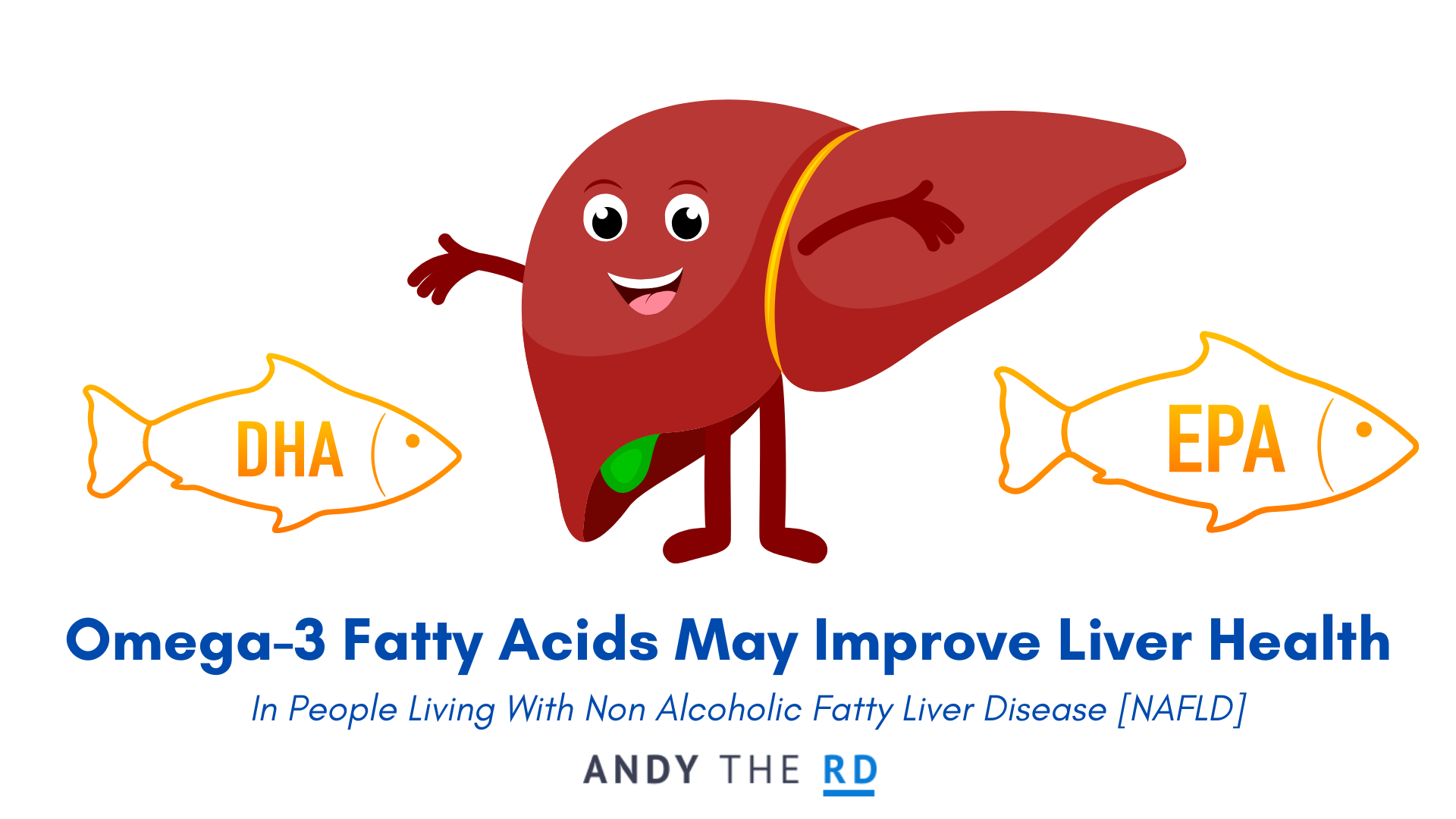

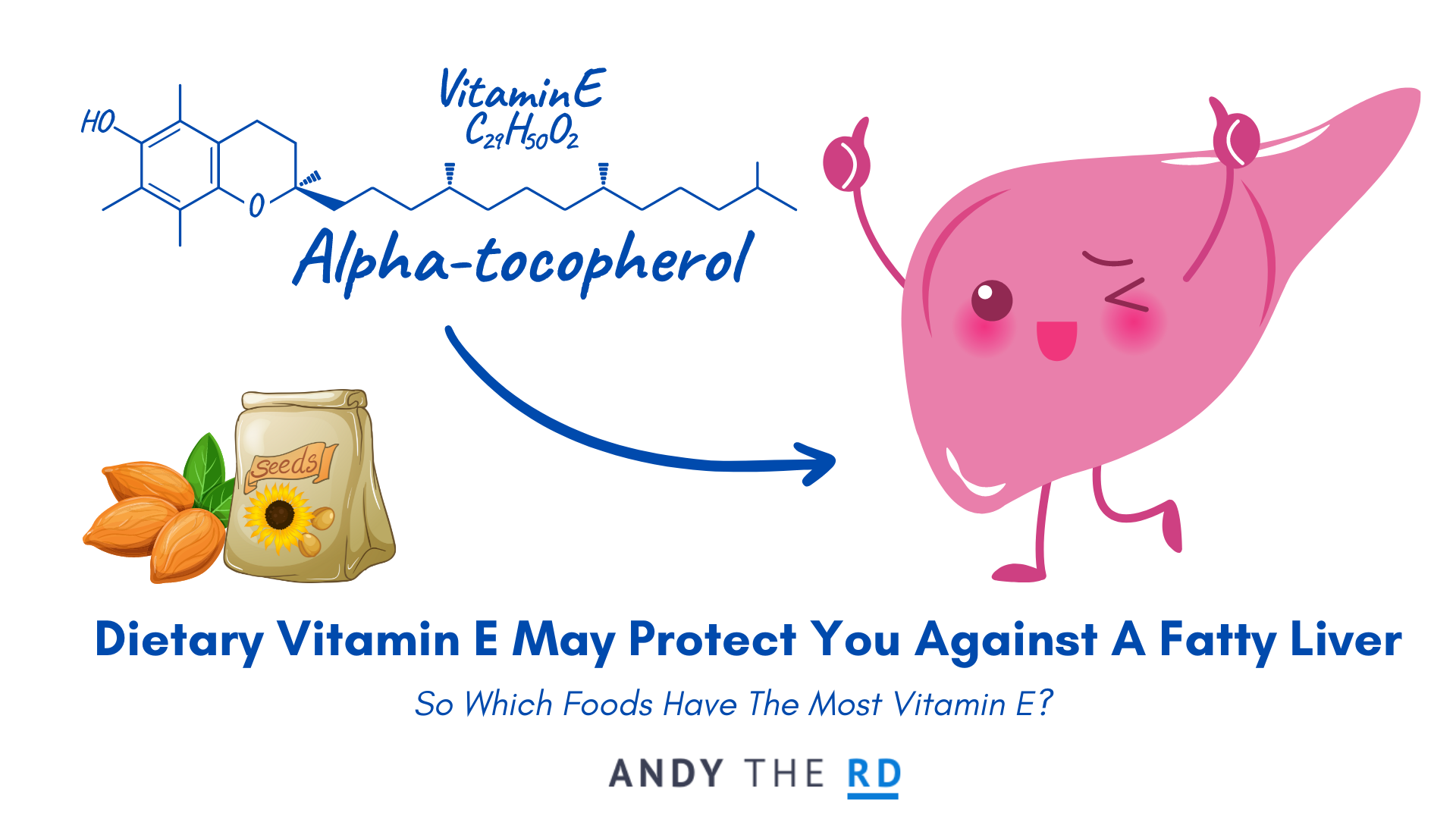
The role that nutrition has to play in preventing fatty liver disease [NAFLD] has become a topic of great personal and professional fascination. Recent estimates out of the acclaimed Lancet journal suggest that 1 in 3 adults globally suffer from NAFLD, a staggering figure to say the least. If you’re familiar
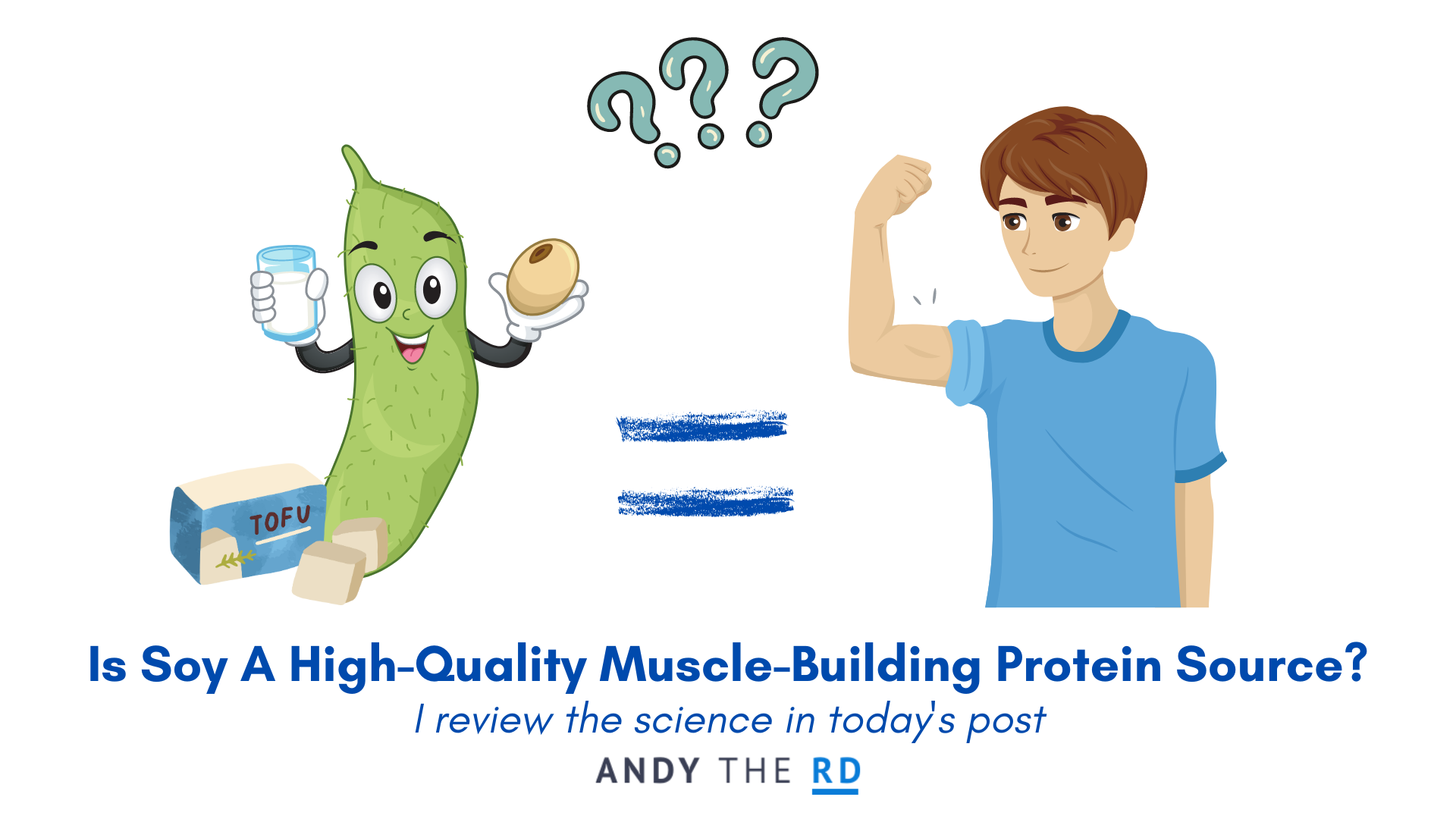
My Men’s Health Month collaboration with the Soy Nutrition Institute (SNI) Global continues today with a discussion on the value and quality of soy protein as a muscle-building tool. Last week, I discussed the interaction between soy foods and male testosterone, identifying that the available evidence suggests this family of
There is growing public and scientific interest around the steps that one can take to enhance the state of their gut microbiome through accessible, every day means. Generally, when I refer to “enhancing” the gut microbiome what I’m really referring to is increasing what is known as microbiome diversity. Microbiome
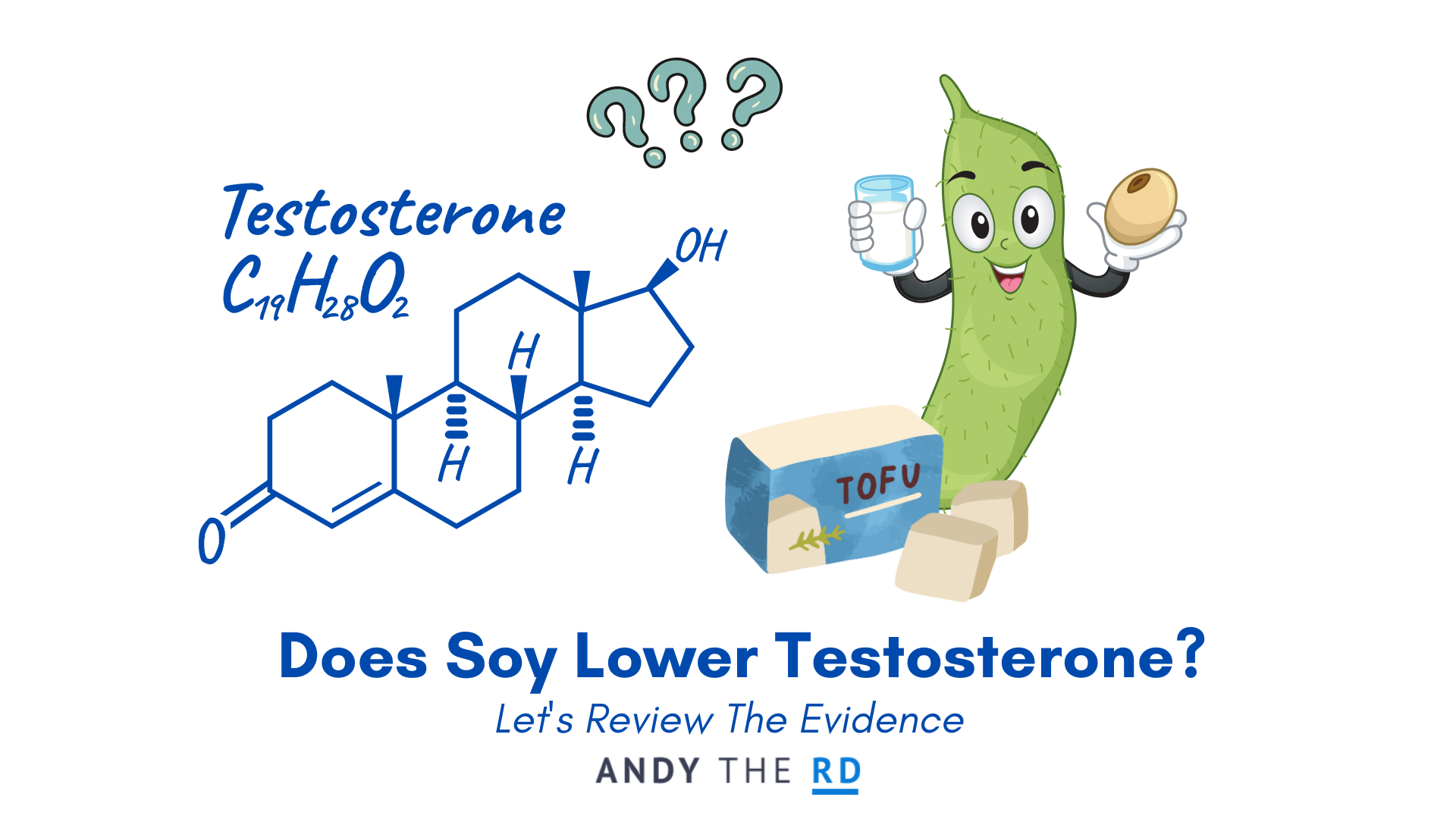
As someone who deals with this topic on a near-daily basis, I appreciate more than most the significant public interest surrounding the consumption of soy-based foods and their influence on male testosterone levels. All roads of inquiry lead to one question – Does soy lower testosterone? Certainly, there is a
Non-Alcoholic Fatty Liver Disease, NAFLD, is the most common liver ailment globally and affects nearly a third of the world’s population. I’ve spent an incredible amount of time over the last 18 months staying current on the role that nutrition has to play in either prevention or managing the condition.
Inulin is a naturally occurring plant fibre with prebiotic properties, which is a fancy way to say it helps to support the growth of our healthy gut bacteria. Owing to this unique property, inulin is often sold in supplemental form. In fact, there are many human experimental studies demonstarting that
Creatine is one of the most popular and widely used supplements in the world of athletic performance, but that doesn’t mean it automatically improves performance in all sporting activities. Soccer is a unique and physiologically demanding sport, often requiring the ability to perform well in repeated short bursts as well
Inflammation is a contributor, if not a driver, of many of the most prominent health conditions. As a result, eating a more anti-inflammatory diet can help with: Arthritis Anxiety/Depression Fatty Liver Disease PCOS Among many others. This explains why there is a great deal of interest around the foods that
The prevalence of non-alcoholic fatty liver disease [NAFLD] has been increasing in the last few decades. Most recent estimates, as per the Lancet journal, suggest that 1 in 3 adults globally are currently living with NAFLD. I’ve helped a great number of people optimize their diet and lifestyle to fight
High blood pressure affects about 1 in 4 Canadians, with an even higher prevalence in the United States. From the dietary perspective there are two overarching areas to consider when trying to reduce your blood pressure. Increase Your Potassium, Magnesium, Calcium & Fibre intake Reduce Your Sodium Intake If you